

Paris isn’t just a destination—it’s a feeling. This Paris travel guide is designed to capture that magic, from the sound of espresso cups clinking in a quiet café to the golden glow of street lamps along the Seine, and the kind of effortless beauty that makes you slow down whether you planned to or not.
If you’re planning your first trip (or your fifth), this ultimate Paris travel guide will help you experience the city beyond the checklist—while still hitting the icons that make it unforgettable.
And if you’re short on time, don’t worry—this guide pairs perfectly with my “3 Days in Paris” itinerary, giving you a structured plan while keeping room for spontaneity.
Why Visit Paris in 2026?
Paris in 2026 is shaping up to be one of the best times to visit in years. Post-Olympic infrastructure improvements mean smoother transport, upgraded public spaces, and a renewed focus on sustainable tourism.
But beyond logistics, Paris is timeless. The charm hasn’t changed—and thankfully, neither has the bread.
When is the Best Time to Visit Paris?
Each season offers a completely different experience:
- Spring (March–May): Blooming gardens, mild weather, fewer crowds than summer
- Summer (June–August): Lively atmosphere, long daylight hours—but peak crowds
- Fall (September–November): My personal favorite—golden light, fewer tourists, café culture at its best
- Winter (December–February): Festive markets, cozy vibes, and surprisingly fewer lines
Pro Tip: Late September is the sweet spot—perfect weather without the chaos.
Iconic Paris Landmarks You Can’t Miss
The Eiffel Tower


Yes, it’s touristy. Yes, you should still go.
But skip the midday crowds—visit at sunrise or after dark when it sparkles every hour. For the best view, head to Trocadéro or Champ de Mars with a baguette in hand.
The Louvre Museum


Home to thousands of works, including the Mona Lisa, but don’t try to see everything.
Instead:
- Enter early or late
- Focus on 1–2 wings
- Wander—some of the best finds aren’t on the map
Notre-Dame Cathedral


Reopening after restoration, this Gothic masterpiece is a must-see again in 2026.
Even if you don’t go inside, the exterior and surrounding Île de la Cité are worth your time.
Montmartre & Sacré-Cœur


A village within the city. Cobblestone streets, artists, and sweeping views.
Go early morning or late evening to avoid crowds—and to feel like you’ve stepped into another era.
Hidden Gems Most Travelers Miss
This is where Paris really becomes yours.
Canal Saint-Martin


A local favorite with a laid-back vibe. Perfect for picnics, people-watching, and escaping the tourist-heavy areas.
Rue Crémieux


A pastel-colored street that feels almost too pretty to be real. Go early—residents actually live here and appreciate respectful visitors.
Musée de l’Orangerie


If the Louvre feels overwhelming, this is your antidote. Monet’s Water Lilies are displayed in peaceful, light-filled rooms designed specifically for them.
Covered Passages (Passages Couverts)
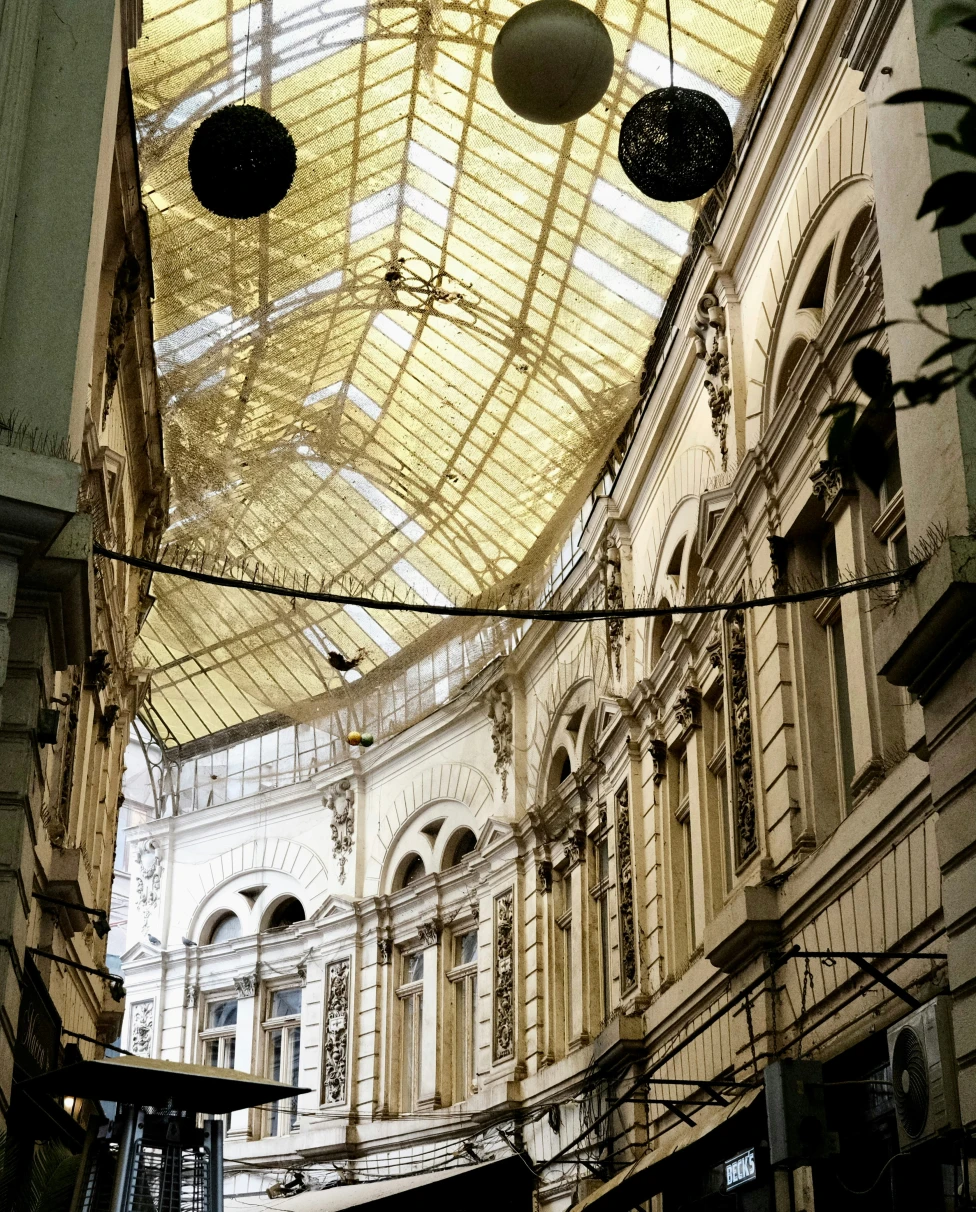


Hidden shopping arcades from the 1800s—think glass ceilings, vintage bookshops, and quiet cafés.
How to Plan Your Paris Trip (Without Burning Out)
Paris isn’t meant to be rushed. The biggest mistake travelers make? Trying to “do it all.”
1. Choose Your Neighborhood Wisely
Stay central if possible:
- Le Marais (trendy, historic)
- Saint-Germain-des-Prés (classic Paris feel)
- Latin Quarter (budget-friendly, lively)
2. Use Public Transport Like a Local
The Paris Metro is:
- Affordable
- Efficient
- Slightly chaotic at first—but easy once you get it
Download Citymapper or Google Maps for real-time navigation.
3. Build a Flexible Itinerary
Instead of packing your days:
- Plan 2–3 key activities per day
- Leave space for wandering
- Schedule downtime at cafés (this is not optional—it’s cultural immersion)
4. Book in Advance (Strategically)
Reserve ahead for:
- Eiffel Tower summit
- Louvre timed entry
- Popular restaurants
But leave smaller experiences unplanned—those often become the highlight.
A More Relaxed Way to See Paris
If you want to truly enjoy Paris:
- Start your mornings slow (coffee + croissant is basically required)
- Walk whenever possible—Paris is best discovered on foot
- Sit longer at meals (no one is rushing you, and you shouldn’t either)
Think of Paris less like a checklist and more like a rhythm.
Pair This Guide With a 3-Day Itinerary
If you’re visiting for a short time, this guide works perfectly alongside my “3 Days in Paris” itinerary, where I break down:
- Exactly what to see each day
- How to group attractions efficiently
- Where to eat along the way
Use that post for structure—and this one for depth.
What to Eat in Paris (Because This Matters)
You don’t come to Paris to diet.
Must-try foods:
- Croissants (from a proper boulangerie, not a chain)
- Steak frites
- French onion soup
- Macarons
- Crêpes from a street stand
Pro tip: If the menu is in five languages and has pictures…keep walking.
Practical Travel Tips for 2026
- Language: Learn a few phrases—“Bonjour” goes a long way
- Currency: Euro (€)
- Tipping: Not required, but rounding up is appreciated
- Safety: Generally safe, but watch for pickpockets near major attractions
Final Thoughts: Why Paris Stays With You
Paris isn’t just beautiful—it’s layered. It rewards those who slow down, look closer, and wander without a strict plan.
You’ll come for the landmarks.
But you’ll remember the quiet streets, the café corners, and the moments you didn’t plan at all.
And that’s exactly how it should be. Let this be your Paris travel guide in 2026!
Leave a Reply